YouTube Thumbnail Size in 2026: The Complete Guide to Dimensions, Resolution, and the New 4K Standard
YouTube raised its thumbnail limit to 50MB and now recommends 4K resolution. Here's exactly what dimensions, file format, and resolution you need in 2026 — plus when 1280x720 is still the smarter choice.
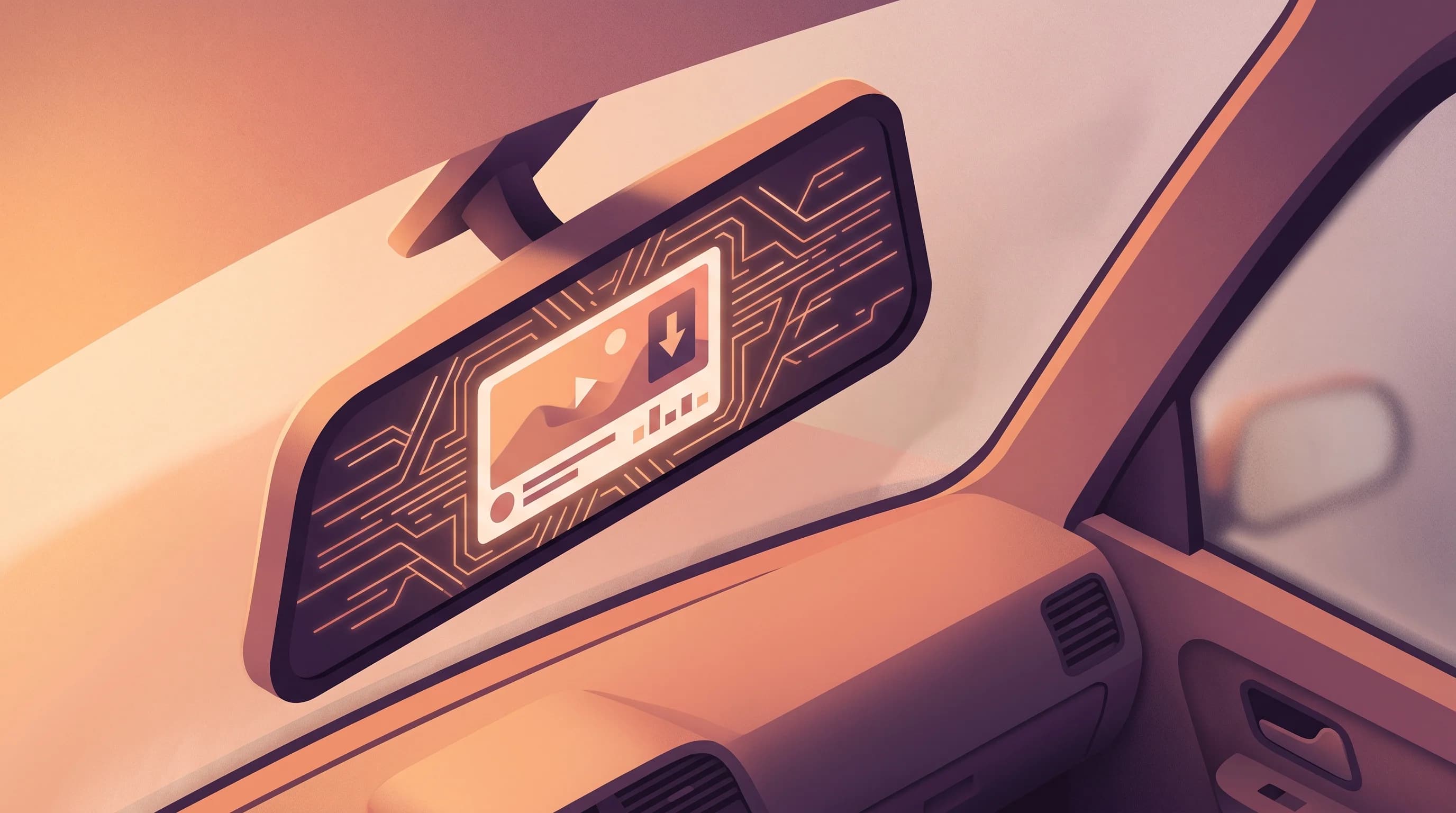
YouTube quietly made one of its biggest thumbnail changes in years. In March 2026, the platform raised the custom thumbnail file size limit from 2MB to 50MB and updated its recommended resolution to 3840x2160 pixels — full 4K.
If you missed the update, you are not alone. YouTube did not make a big announcement. But the change has real implications for how your thumbnails look on TV screens, mobile devices, and everywhere in between.
Here is the thing most guides will not tell you: for the majority of creators, the old 1280x720 standard still works perfectly fine. The new 4K option matters, but only in specific situations. This guide breaks down exactly what you need to know — no fluff, no "it depends" without explaining when.
The Official YouTube Thumbnail Specs (2026)
Let us start with the hard numbers. These are YouTube's current technical requirements:
- Recommended resolution: 3840x2160 pixels (4K) or 1280x720 pixels (HD)
- Minimum width: 640 pixels
- Aspect ratio: 16:9 (mandatory — anything else gets cropped or letterboxed)
- File size limit: 50MB on desktop upload, 2MB on mobile upload, 10MB for podcasts on mobile
- Accepted formats: JPG, JPEG, PNG, GIF, BMP
- Not accepted: WebP, SVG, TIFF
The aspect ratio is the one non-negotiable. YouTube's player, search results, suggestions panel, and home feed all display thumbnails at 16:9. Upload anything else and YouTube will crop it, usually cutting off whatever you least wanted to lose.
Why YouTube Raised the Limit to 50MB
The short answer is television.
YouTube TV viewership has exploded. Over 200 million Americans now watch YouTube on connected TVs every month, and TV screens became the primary viewing device for YouTube in the US during 2025. Globally, YouTube streams over 1 billion hours daily on connected TVs.
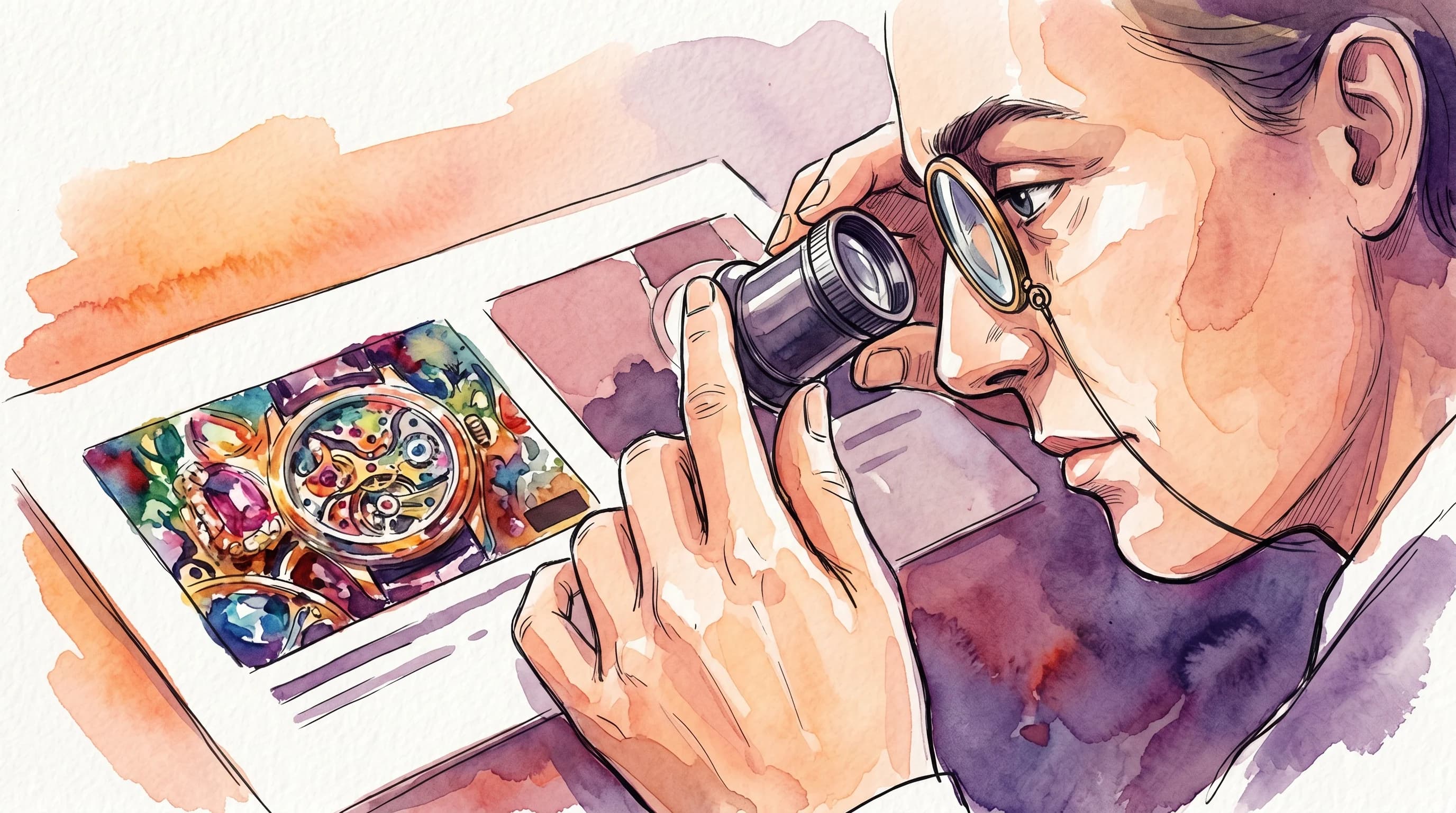
On a 65-inch 4K television viewed from six feet away, a compressed 2MB thumbnail at 1280x720 shows visible softness. Text looks slightly blurry. Fine details in faces — the micro-expressions that drive click decisions — lose their sharpness. The old 2MB cap was a bottleneck for TV-quality rendering.
The 50MB limit removes that bottleneck entirely. A 4K PNG at maximum quality comes in around 15-25MB. Even an uncompressed 4K JPEG rarely exceeds 30MB. The new limit gives creators headroom to upload the highest quality their design tools can produce.
Do You Actually Need 4K Thumbnails?
Probably not. Here is why.
YouTube does not serve your original file to viewers. It re-encodes every thumbnail into multiple sizes, compressing and scaling to match each device and context. Your 4K masterpiece gets served as a tiny 168x94 pixel image in the mobile suggestions panel. On the home feed, it displays at roughly 360x202 pixels on most phones.
According to YouTube's own data, over 70% of all YouTube watch time still happens on mobile devices. That means the vast majority of your potential viewers are seeing your thumbnail at a size where 1280x720 and 3840x2160 are visually indistinguishable.
Where 4K does matter:
- TV-first channels. If your analytics show 30% or more of watch time comes from TV screens, 4K thumbnails will look noticeably sharper on those displays.
- Design, photography, and cinematic channels. Fine-detail thumbnails with gradients, textures, or small text benefit from the higher source resolution because YouTube's compression preserves more detail when starting from a larger file.
- Thumbnail text with thin fonts. Thin strokes at 720p can alias after compression. At 4K, the same text has four times the pixel density before YouTube compresses it, resulting in cleaner edges.
Where 4K does not matter:
- Bold, simple compositions. If your thumbnail is a face plus three words in large text, 1280x720 at 80% JPEG quality delivers identical visual results.
- Mobile-dominant audiences. If 80% of your views come from phones (common for Shorts creators, gaming, and vlogs), there is zero visual benefit from 4K.
- Speed-focused workflows. 4K thumbnails take longer to export, upload, and preview. If you batch-create thumbnails for multiple videos, the time adds up.
The Practical Recommendation: What to Actually Use
For most creators in 2026, here is the formula:
Default: 1280x720 pixels, JPG format, 80-85% quality. This produces a file between 200KB and 800KB — well within the old 2MB limit and visually identical to 4K on mobile and desktop. It uploads fast, previews instantly, and YouTube's compression handles it cleanly.
Upgrade to 4K when: You are a design or cinematic channel, your TV viewership exceeds 25-30%, or you use fine-detail elements (thin text, gradients, intricate textures) that benefit from higher source resolution.
Format choice:
- JPG at 80-85% quality for photo-based thumbnails (faces, real footage, screenshots). Smallest file size, best compatibility.
- PNG for thumbnails with text overlays, sharp edges, or graphics with transparency. Larger files, but lossless until YouTube re-encodes.
- Avoid GIF and BMP. GIF is limited to 256 colors. BMP is uncompressed and bloated. Neither offers any advantage over JPG or PNG.
Skip the specs. Let AI handle the details.
Hooksnap generates perfectly-sized, click-optimized thumbnails from any YouTube URL. No Photoshop, no guessing dimensions.
Try Hooksnap FreeHow YouTube Actually Processes Your Thumbnail
Understanding what happens after you upload helps explain why obsessing over file size is mostly wasted effort.
When you upload a custom thumbnail, YouTube's CDN pipeline does the following:
- Validates the file. Checks format, dimensions, aspect ratio. Rejects anything that fails.
- Generates multiple sizes. YouTube creates versions at various resolutions — from the tiny 120x90 pixel version used in embedded players to full-resolution versions for TV displays.
- Re-encodes for delivery. Each version gets compressed for efficient delivery. YouTube internally serves thumbnails as both WebP and JPG depending on the viewer's browser and device capabilities.
- Caches globally. Versions are distributed across YouTube's CDN for fast loading worldwide.
The key insight: YouTube's re-encoding means your source file is a starting point, not the final product. A higher-quality source gives YouTube more data to work with during compression, which can produce slightly better results. But the improvement is marginal for most thumbnail styles.
Think of it like this: if you are building a house, better raw materials produce a better result. But if the house is 500 square feet, the difference between good lumber and premium lumber is barely noticeable. Your thumbnail on a phone screen is the 500-square-foot house.
The Mobile-First Design Rule
Here is a number that should reframe how you think about thumbnail design: mobile users account for over 87% of all YouTube traffic worldwide. Even if we look at watch time specifically, mobile captures somewhere between 63% and 70% depending on the study.
On a typical phone, your thumbnail displays at approximately 156x88 pixels in the suggestions feed. At that size:
- Text under 5 words works. More than that becomes unreadable. The trend in 2026 is toward minimal or zero text on thumbnails, with the title doing the heavy lifting.
- One clear focal point wins. Complex compositions with multiple elements collapse into visual noise at small sizes.
- High contrast is essential. Subtle color differences disappear on small screens, especially outdoors in bright light. Bold color blocking — large geometric shapes with contrasting colors — is one of the highest-performing thumbnail styles right now.
- Faces still dominate. Human faces with clear emotional expressions remain the single most effective element at small sizes because our brains process faces faster than any other visual element.
The practical test: shrink your thumbnail to 160 pixels wide on your monitor. If it still communicates the core idea at that size, it will work on mobile. If it does not, no amount of 4K resolution will save it.
Aspect Ratio Mistakes to Avoid
The 16:9 aspect ratio requirement seems simple, but creators still get tripped up:
Vertical crops from phone screenshots. If you screenshot a vertical video or a phone interface, it will not fit 16:9 without heavy cropping or letterboxing. Always design in landscape orientation from the start.
Social media repurposing. Instagram posts (1:1), Stories (9:16), and Twitter images (16:9 but different resolutions) cannot be directly reused as YouTube thumbnails without reformatting. The composition changes when you shift aspect ratios.
YouTube Shorts thumbnails. Shorts use a 9:16 vertical aspect ratio. If you are creating thumbnails for both long-form and Shorts, you need separate designs. A horizontal thumbnail does not work vertically and vice versa.
Safe zone awareness. YouTube overlays a timestamp badge in the bottom-right corner of every thumbnail. Keep critical elements (text, faces, key objects) away from that corner. The badge typically covers roughly the bottom-right 15% of the frame.
File Naming and Organization Tips
This is not glamorous, but it saves real time when you are managing dozens or hundreds of thumbnails:
- Use your video title or ID in the filename.
gaming-setup-tour-v2.jpgis findable.thumbnail_final_FINAL.jpgis not. - Version your iterations. When A/B testing thumbnail variations, use
v1,v2,v3suffixes. This matters when you circle back to an old version that performed better. - Keep source files. Always save the layered design file (PSD, Figma, or whatever you use) alongside the exported JPG/PNG. You will need to edit thumbnails when you rebrand or when a video underperforms and needs a thumbnail refresh.
- Batch export settings. If your tool supports it, create a preset: 1280x720, JPG, 85% quality. One click, done. Consistency is more valuable than perfection.
What Changed in 2026 (And What Did Not)
Let us summarize the actual changes versus the hype:
What changed:
- File size limit increased from 2MB to 50MB (desktop uploads only)
- YouTube now officially recommends 3840x2160 as the ideal resolution
- TV-first viewing is now the dominant use case in the US, making thumbnail sharpness on large screens more relevant than ever
What did not change:
- The 16:9 aspect ratio requirement
- Minimum 640px width requirement
- Accepted file formats (still no WebP uploads)
- How YouTube processes and compresses thumbnails internally
- The reality that most viewers see thumbnails at tiny sizes on mobile
What this means for your workflow: If you are a small or mid-size creator, your workflow does not need to change. Keep designing at 1280x720, keep exporting as JPG at 80-85%, and keep focusing on composition, contrast, and clarity at small sizes. Those fundamentals drive clicks.
If you are a large creator with significant TV viewership, or if you produce visually detailed content, consider upgrading to 4K exports. The extra resolution gives YouTube's compression more to work with on TV displays.
Quick-Reference Cheat Sheet
| Spec | Value | |---|---| | Recommended resolution | 1280x720 (standard) or 3840x2160 (4K) | | Aspect ratio | 16:9 (required) | | Min width | 640px | | File size limit (desktop) | 50MB | | File size limit (mobile) | 2MB | | Best format (photos) | JPG at 80-85% quality | | Best format (graphics) | PNG | | Ideal file size | 200KB - 1MB | | Mobile display size | ~156x88px (suggestions feed) |
The Bottom Line
YouTube's new 4K and 50MB support is a genuine improvement, especially for TV viewers. But it is not a reason to overhaul your thumbnail workflow overnight.
The creators who get the most clicks are not the ones uploading the largest files. They are the ones who nail composition at 156 pixels wide — one face, one emotion, minimal text, bold contrast. Get that right at 1280x720, and you have covered 95% of the job.
The remaining 5%? That is where 4K can give you an edge. But only after the fundamentals are locked in.
See how Hooksnap creates click-worthy thumbnails
AI-powered thumbnail generation that helps your YouTube videos get more clicks.
View PlansRelated Articles
How to Make YouTube Thumbnails That Get Clicks: A Complete Guide
Learn the science and art behind high-CTR YouTube thumbnails. From color psychology to face expressions, this complete guide covers everything you need to create thumbnails that stop the scroll.

YouTube Thumbnail Mobile Design: The Complete Guide for 2026
70% of YouTube watch time happens on mobile. Learn the safe zones, color strategies, and design rules that make thumbnails click-worthy on phone screens.

YouTube's Variable Thumbnail Sizes: How to Design Crop-Proof Thumbnails
YouTube is testing variable thumbnail sizes on mobile, meaning your design may get cropped without warning. Here's how to make every thumbnail crop-proof.
Related Tools
Ready to boost your CTR?
Stop losing clicks to boring thumbnails. Get AI-generated thumbnails in under 60 seconds.
Get Started Free