Niche-Bending Thumbnails: Borrow a Format, Spike Your CTR (2026)
Niche bending is 2026's breakout YouTube strategy. How to borrow another niche's thumbnail language to create outlier videos without losing your audience.

There's a zoology channel on YouTube with 3.8 million subscribers, and almost none of its viewers came for the zoology. They came because the thumbnails look like a fighting game: tier lists, health bars, "S-TIER" stamps over a grizzly bear. TierZoo packages animal biology in the visual language of competitive gaming, and that packaging decision — more than any single video — built a channel with over 470 million views. It's the textbook case of niche bending, the strategy every YouTube growth conversation seems to circle back to in 2026.
The term was coined by creator Tim Danilov, who used it to take a faceless channel from zero to $56,000 a month in 30 days and runs a portfolio of channels doing roughly 5 billion views a year. vidIQ's breakdown of the strategy has pulled in over 208,000 views since February, and Danilov's own threads explaining the method keep circulating on X. It's the YouTube strategy conversation of 2026.
But here's what almost every explanation of niche bending skips: the bend doesn't happen in your script. By the time someone hears your script, they've already clicked. The bend happens in your thumbnail — it's the only place a browsing viewer can see that your gardening channel is suddenly speaking the visual language of finance YouTube. This post is about that missing piece: how to execute niche bending at the packaging layer, where it actually wins or loses the click.
Quick Answer
Niche bending means taking a proven format from one market and applying it to a market where nobody has used it — a gaming tier list applied to zoology, a finance dashboard applied to fitness, a true-crime documentary still applied to tech reviews. Because the viewer decides to click based on the thumbnail alone, the thumbnail is where the borrowed format must be visible: the layout, the graphic devices, the text treatment all signal "this is a format you already love, in a topic you didn't expect." Done well, it unlocks an audience your niche's default packaging never reaches. The guardrails: only bend into formats whose content you can actually deliver (YouTube's 2026 satisfaction signals punish packaging the video can't back up), and test the borrowed look against your channel's baseline before committing a filming day to it.
What niche bending actually is
Most creators think of a niche as a topic: "I have a cooking channel." Danilov's framework splits that into two parts. The market is the broad audience category — finance, fitness, gaming, history, food. Markets are fixed; you can't invent a new one. The format is the container the content arrives in — the tier list, the 100-day challenge, the "which one dies first" countdown, the POV story, the video essay. Formats are invented daily, and they travel.
A niche, in this framing, is market × format. And niche bending is deliberately combining a proven format with a market where it has never appeared. The format's pull is already validated — just not for your audience, which means you get the upside of a proven structure with none of the competition.
The case studies move fast once you see the pattern. A small NFL channel ran a video titled "This video will change the way you see Patrick Mahomes forever" and pulled about 75,000 views — roughly 3.5× its channel norm. Four days later, a Minecraft channel shipped "This video will change how you play Minecraft forever." Same structure, different market, outlier result. A meme video — "POV: you're an NPC in Vice City" — hit 2.7 million views on a channel with about 3,500 subscribers, and the format promptly jumped niches: a Minecraft adaptation ("The Life of a Minecraft Wolf") pulled 1.7 million views, and a Spider-Man version became its channel's best performer.
The pattern repeats enough that The Art of YouTube now publishes monthly lists of unexploited bend combinations — empty squares on the market × format grid, waiting for someone to fill them.
Why niche bending lives or dies in the thumbnail
Here's the thing the strategy videos gloss over. When TierZoo's audience scrolls past a TierZoo upload, they don't read a pitch about "evolution explained through gaming mechanics." They see a thumbnail with a tier-list grid, an STR/INT stat block, and a polar bear where a fighting-game character should be. The visual format does all the communicating. The bend is legible in about 200 milliseconds or it isn't legible at all.
That's because a format, visually, is a set of recognizable devices: the tier list's letter-grade grid, the finance video's green-arrow dashboard, the true-crime documentary's desaturated still with a red circle, the challenge video's day counter. Audiences have seen these devices hundreds of times in their home feed. They carry instant meaning — I know what kind of video this is — which is exactly the cognitive shortcut a browsing viewer uses to decide whether to click.
The numbers explain why this matters so much. Platform-wide, average YouTube CTR sits around 4–5%, and browse-feed CTR runs roughly 3–7% — your thumbnail is fighting for a sliver of attention against packaging the viewer has already learned to skim past. Niche-default packaging blends into that skim. A borrowed format breaks it: familiar enough to be instantly readable, out-of-place enough to stop the scroll. It's the rare thumbnail move that gets novelty and recognition at the same time.
It also explains why some niche bends fail silently. If you borrow the format in your script but package the video with your niche's default thumbnail, the bend is invisible at the only moment it could attract the new audience. The zoology fan who would have clicked a tier list never finds out the tier list exists.
Five thumbnail formats worth borrowing in 2026
These five visual formats are proven in their home markets and travel well. For each, the question to ask is: what's the empty square — which market hasn't seen this yet?
1. The tier list grid (from gaming). Letter grades, ranked rows, a subject photographed like a roster character. TierZoo bent it into zoology, and Danilov's go-to illustration is a dentist ranking toothpaste in a gaming-style tier list — expertise poured into a borrowed container. If your niche ranks anything — tools, techniques, destinations, recipes — this format is probably still unclaimed. Gaming packaging earns the platform's highest average CTR at roughly 8.5%, and the visual grammar is portable.
2. The stat dashboard (from finance). Charts going up and to the right, percentage callouts, a serious face beside a number. Fitness creators are already using finance's visual language for body-transformation data. It works anywhere progress can be quantified: language learning, channel growth, garden yields.
3. The investigation still (from true crime). Desaturated image, red circle or arrow, a date stamp, one unsettling question in the text. Tech reviewers use it for "what happened to this company" videos. It bends into any niche with a failure story — defunct restaurants, abandoned game studios, discontinued products.
4. The POV frame (from meme/gaming culture). First-person framing with a role caption. The NPC format's jump from GTA to Minecraft to Spider-Man shows the visual core travels: a viewpoint shot plus "POV: you're X." Cooking ("POV: you're the line cook on a Saturday night"), trades, teaching — anywhere a role can be inhabited.
5. The countdown elimination (from documentary/business). "5 casinos that will close next. Which dies first?" pulled nearly a million views in its home market; the structure — a row of candidates, one marked for elimination — reads instantly in a thumbnail. It bends into retail chains, fast-food menus, programming languages, sports franchises.
Test a borrowed format before you film a single frame
Hooksnap generates title-and-thumbnail packages from a video idea, in your channel's style or a borrowed one — so you can see whether the bend reads before you commit a filming day to it.
Try it freeHow to find your empty square
Treat it like the mapping exercise it is. Pick a format that has produced outliers for at least two different markets — that's your evidence it travels. Then list the major markets and check where it's already been used. Empty cells aren't gaps in demand; they're gaps in supply.
Finding travel-tested formats is mostly a research habit. Watch for videos massively overperforming their channel's subscriber count — a 2.7M-view video on a 3.5K-sub channel is a format screaming that it works. An entire tool category has grown around this kind of outlier-hunting in 2026, and vidIQ has leaned in with remix features that re-title outlier videos for your niche (the analytics tools stop at research, though — Hooksnap vs VidIQ breaks down where packaging takes over). You don't need any of them to start: your own home feed, plus the discipline of asking "what does this video's thumbnail do, structurally?" gets you most of the way. I wrote a fuller process for studying packaging patterns in the thumbnail competitor analysis framework — the only change for niche bending is that you deliberately study channels outside your category.
When you've found the square, reverse-engineer the format's visual devices before you touch your topic. For a tier list: the grid, the letter grades, the character-select pose. For an investigation still: the desaturation, the red mark, the date. Your topic supplies the subject; the borrowed format supplies everything else. The most common execution mistake is diluting the format — keeping 40% of your niche's default look "for safety." That gets you a thumbnail that signals neither format clearly, and the 200-millisecond read fails.
The guardrails: where niche bending backfires
Three failure modes show up consistently, and they're all avoidable.
Borrowing a format you can't deliver. Danilov's own rule is blunt: don't bend a format you can't fill with real expertise. A dentist running a gaming-style tier list of toothpaste works because the dentist brings the substance the format demands. This matters more in 2026 than it would have three years ago, because YouTube's ranking now weighs what happens after the click — a high-CTR thumbnail followed by a fast bounce in the first 15–30 seconds gets read as an overpromise and demoted. A borrowed format that your content can't back up isn't just a flop; it's a negative signal attached to your channel.
Breaking your returning audience's pattern recognition. Your subscribers find your videos partly by recognizing your packaging. A hard format swap can make your upload invisible to the people most likely to click it. The practical fix is to bend the structure while keeping one or two of your channel's identity anchors — your color accent, your face placement, your text style. TierZoo's thumbnails are unmistakably tier lists, but they're also unmistakably TierZoo.
Bending once and calling it a strategy. A single bent video is a lottery ticket. The creators winning with this — the ones vidIQ profiles and the ones filling The Art of YouTube's monthly grids — treat each bend as a hypothesis: ship it, compare it against the channel's CTR baseline, keep the formats that clear it, drop the ones that don't. Average CTR benchmarks give you the floor (a good thumbnail clears 4–6%), but your own channel norm is the real bar.
Test the bend before you film
The expensive way to test a niche bend: spend twenty hours filming and editing in a borrowed format, publish, and find out the new packaging confuses everyone. The cheap way: make the package first — the thumbnail and the title in the borrowed format — and judge whether the bend reads before any footage exists.
This is the workflow I keep pushing because it's the one I built Hooksnap around. You give it a video idea, and it generates complete title-and-thumbnail packages — in your channel's established style, or deliberately outside it. For a niche bend, that means you can put your channel's default packaging next to a tier-list version and a dashboard version of the same idea, side by side, and see which one actually makes the topic feel clickable. The creators landing page walks through that idea-first flow, and the package-first guide covers why testing packaging before production beats testing it after. If you're a gaming creator, you're on the lending side of most bends — which means your formats are being borrowed, and the same tools tell you whether your own packaging still stands out in your home market. Free plan covers enough generations to test a few bends a month; pricing is there when you want more.
However you run the test, run it. The whole appeal of niche bending is that the format is pre-validated — extend that logic one step and pre-validate the packaging too.
The takeaway
Niche bending is the rare YouTube strategy where the mechanism is genuinely structural, not a trick: formats carry proven audience pull, markets are full of audiences who've never seen them, and the grid of unexploited combinations is enormous. But the bend only exists where the viewer can see it, and the viewer sees exactly one thing before clicking — the thumbnail.
So treat the thumbnail as the unit of the bend. Find a format that's produced outliers in two or more markets, learn its visual devices cold, keep one anchor of your own identity, and make sure your content can cash the check the borrowed format writes. Then test the package before you film, compare it against your channel's CTR baseline after, and keep what clears the bar. The creators winning in 2026 aren't inventing new niches — they're walking the grid, finding the empty squares, and packaging them so the click can't miss.
FAQ
What is niche bending on YouTube? Niche bending is the strategy of taking a proven content format from one market and applying it to a market where it hasn't been used — for example, gaming's tier-list format applied to zoology (TierZoo) or finance's dashboard visuals applied to fitness. The term was coined by creator Tim Danilov, who frames every niche as a combination of market × format. Because the format's audience appeal is already proven, applying it to a new market creates an opportunity with validated demand and no direct competition.
Does niche bending actually work? The documented results are strong: Danilov reports taking a faceless channel from zero to $56,000/month in 30 days using the method, TierZoo built 3.8M subscribers bending gaming formats into zoology, and individual format transfers (like the "POV: NPC" format jumping from GTA to Minecraft) have produced videos with 1.7–2.7 million views on small channels. It is not a guarantee — the format must fit your topic, and your content must deliver what the borrowed packaging promises.
How do I use niche bending in my thumbnails? Identify the borrowed format's visual devices — the tier-list grid, the stat dashboard, the red investigation circle — and rebuild your thumbnail around them, supplying only the subject from your own niche. Keep one or two identity anchors from your channel (color accent, text style) so returning viewers still recognize you, but don't dilute the format: the bend has to be readable at feed-scroll speed, in well under a second.
Is niche bending risky for my channel? Two real risks: borrowing a format your content can't deliver (YouTube's 2026 satisfaction signals demote packaging that overpromises, since fast bounces in the first 15–30 seconds read as clickbait), and confusing your returning audience with packaging they don't recognize. Both are manageable — only bend into formats you have the expertise to fill, retain channel identity anchors in the design, and test one bent video against your CTR baseline before making it a series.
How do I find formats worth borrowing? Look for outlier videos — videos dramatically overperforming their channel's subscriber count — in markets outside your own, and check whether the same format has produced outliers in at least two different markets. That's evidence it travels. Then map the format against major markets and look for the combination nobody has tried. Dedicated outlier-research tools exist, but a disciplined scroll through unfamiliar corners of YouTube plus your own niche knowledge covers most of it.
See how Hooksnap creates click-worthy thumbnails
AI-powered thumbnail generation that helps your YouTube videos get more clicks.
View PlansRelated Articles
How to Test a YouTube Video Idea Before You Film (2026)
Top creators design the thumbnail and title before they hit record. Here's the package-first workflow to kill weak ideas before you waste 8 hours.
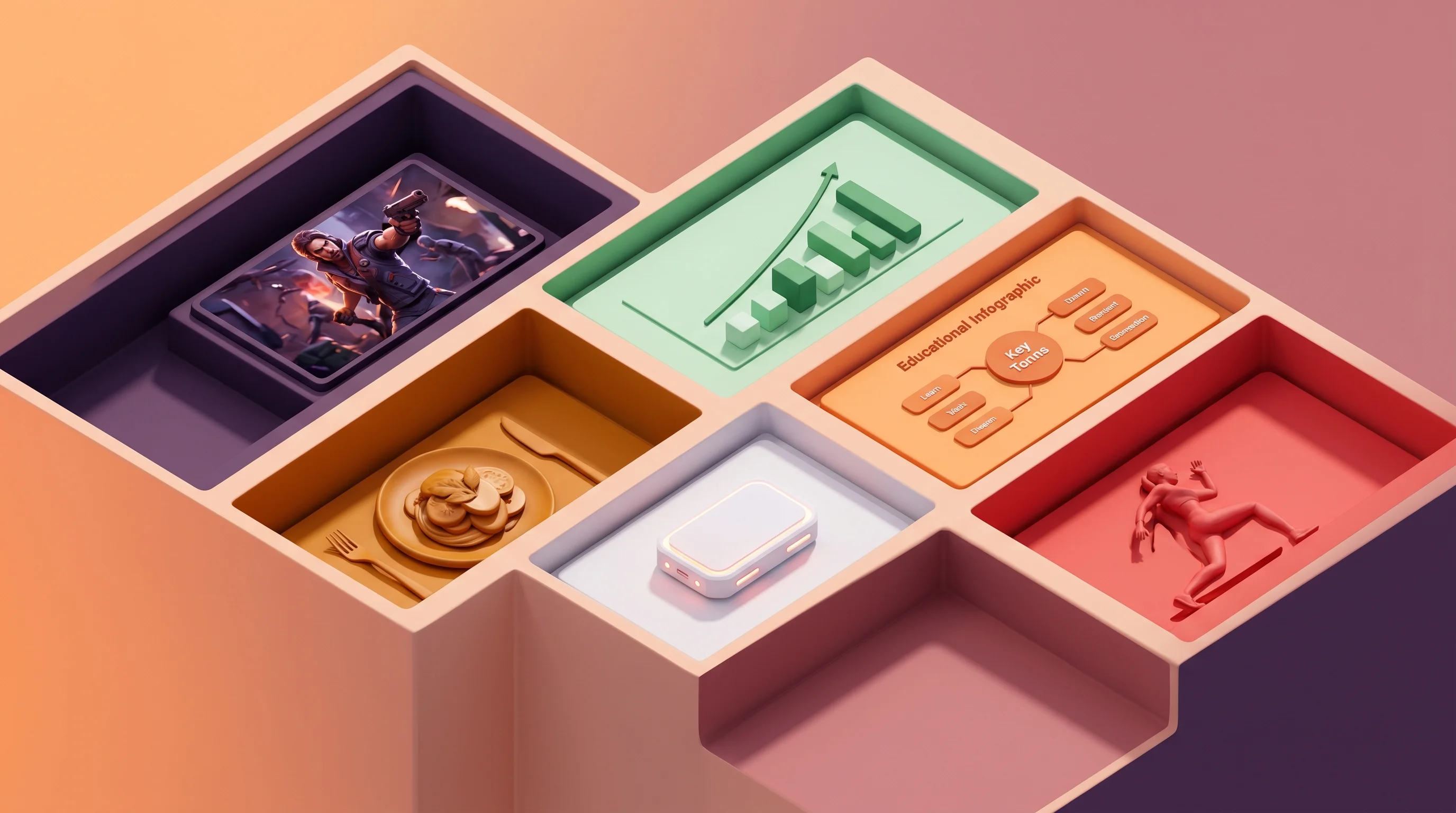
YouTube Thumbnail Niche Formulas: Visual Grammar by Category
Each YouTube niche has its own visual grammar. Here's the exact thumbnail formula that drives CTR for gaming, finance, education, cooking, and tech channels.
How to Reverse-Engineer Competitor YouTube Thumbnails
A practical framework for analyzing competitor YouTube thumbnails. Learn what to track, how to spot patterns, and turn insights into higher CTR.
Related Tools
Ready to boost your CTR?
Stop losing clicks to boring thumbnails. Get AI-generated thumbnails in under 60 seconds.
Get Started Free